









Our technology
With the photocatalysis' process our products use light to activate the photocatalyst, which triggers chemical reactions that break down pollutants and harmful substances in the air. This continuous, natural process results in cleaner, healthier air for indoor and outdoor environments.

How it works
Titanium dioxide (TiO₂) is a semiconductor that triggers chemical reactions when exposed to light. This process breaks down pollutants, purifies air and water, and disinfects surfaces. Advances in nanotechnology and hybrid materials make TiO₂ photocatalysis a promising, sustainable solution for environmental purification.
Continuous purification, activated by light, with no saturation and no chemical release.
What We Remove from the Air

VOCs
Volatile Organic Compounds emitted by furniture, paints, and cleaning products
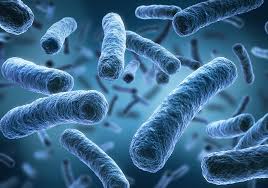
Bacteria
Helps reduce harmful biological contaminants as bacteria
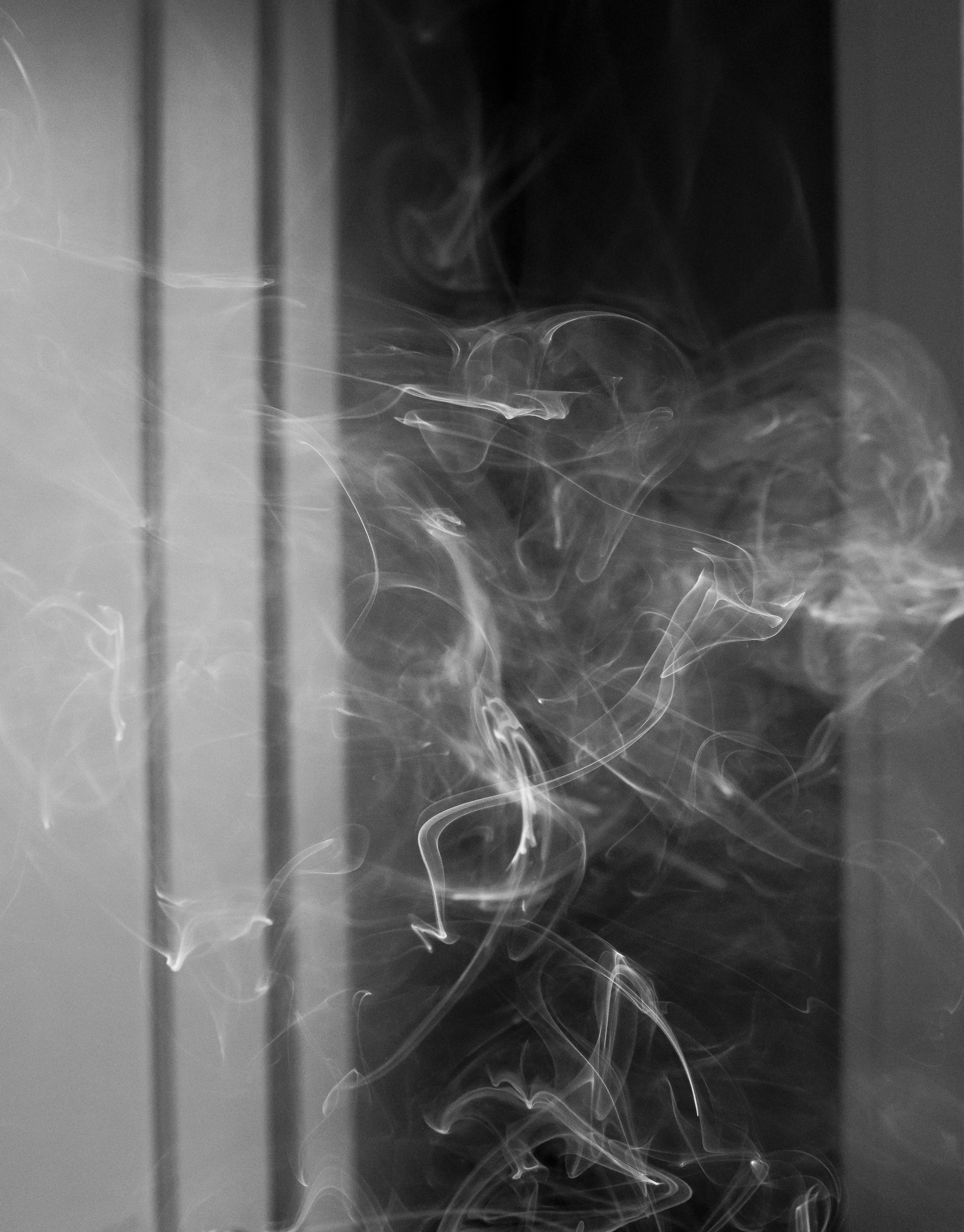
Odors
Neutralizes unpleasant smells instead of masking them
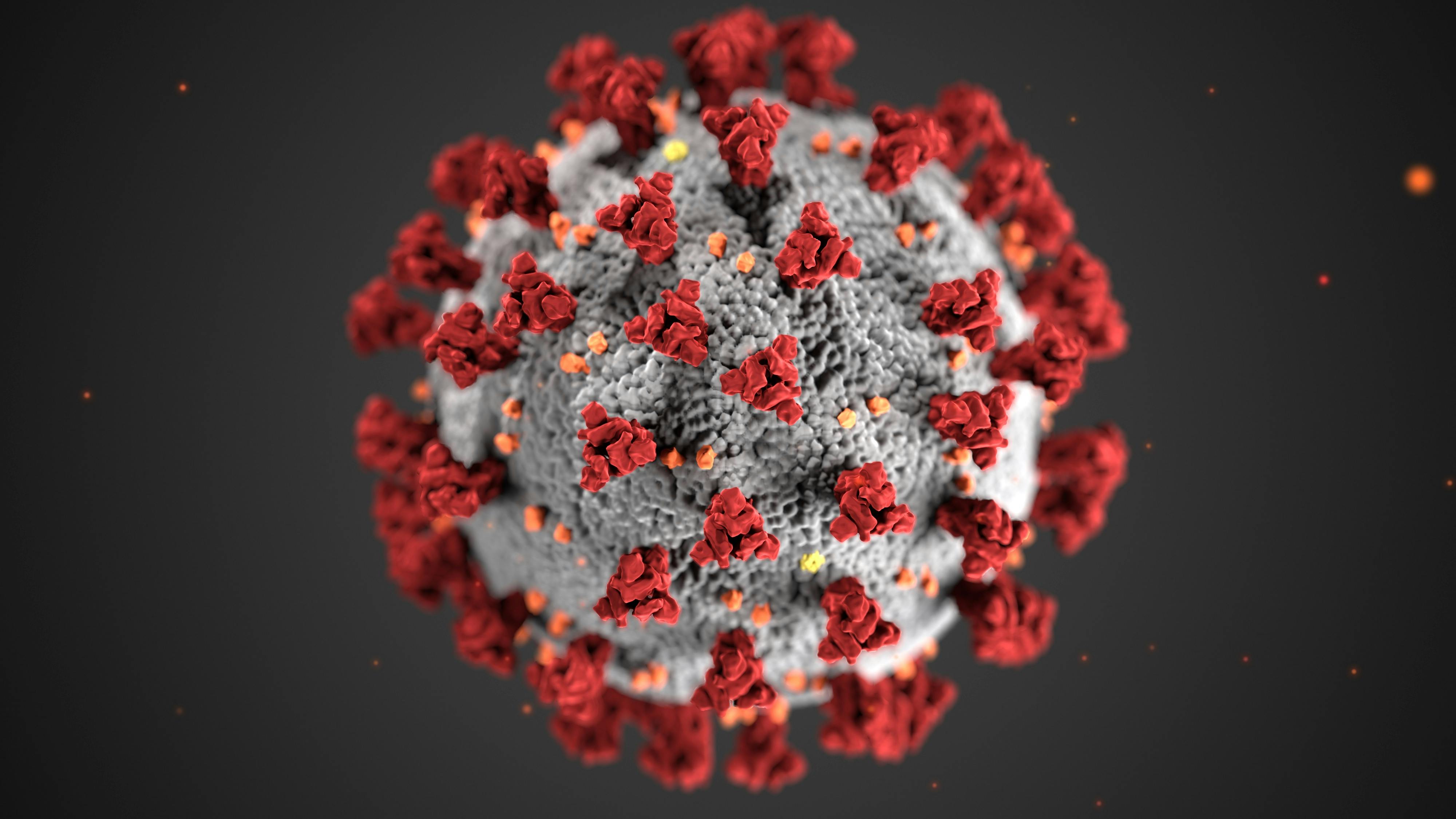
Viruses
Contributes to a cleaner and safer indoor environment from viruses (ex. Covid-19)
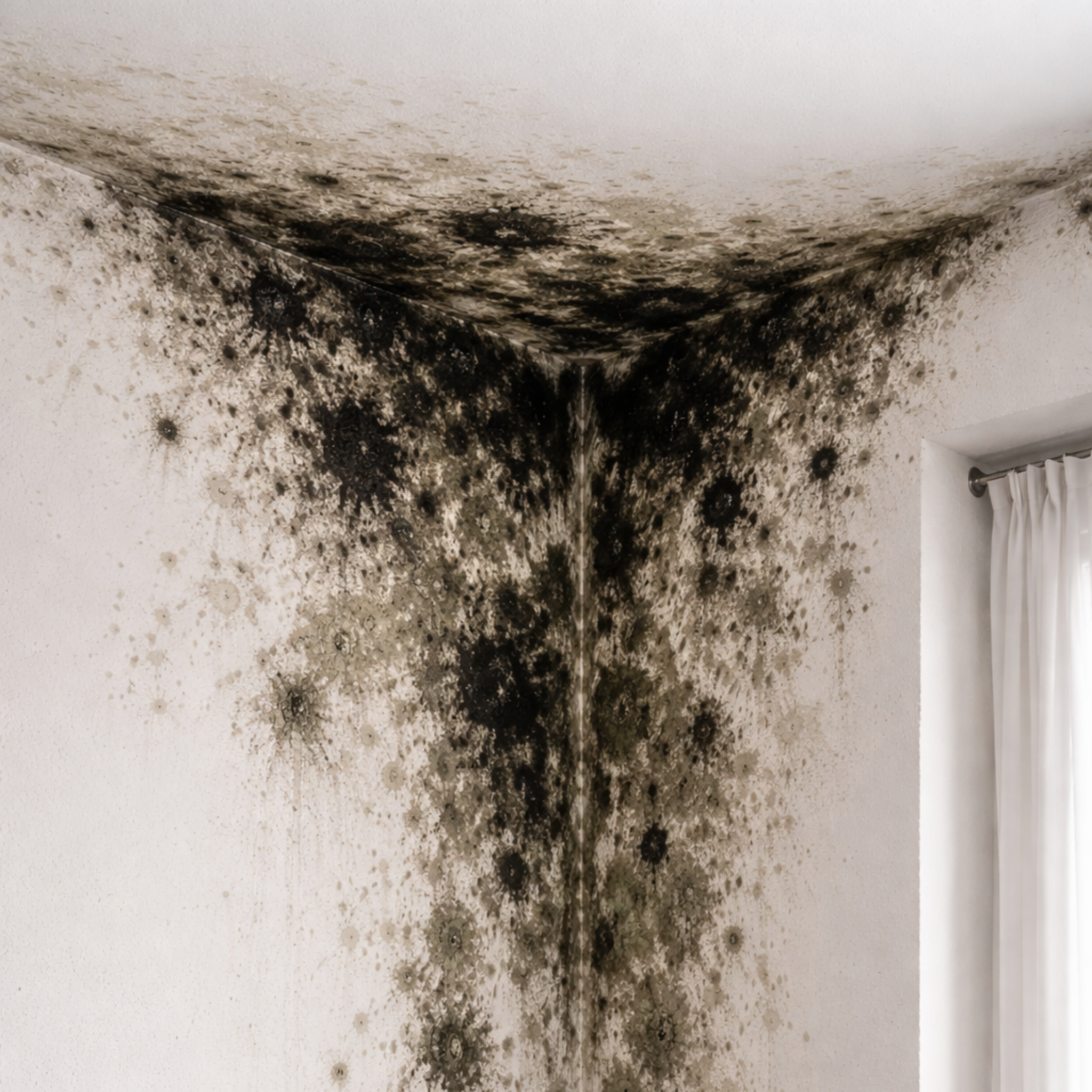
Mold & Spores
Helps reduce harmful biological contaminants including mold, spores and fungi

Urban & Indoor Pollutants
Smog, fine particles, and everyday airborne impurities
Applications & Advantages of Photocatalytic Technology

Application

- Built Environment & Air Quality
- Healthcare & Public Spaces
- Water Treatment Systems
- Self-Cleaning Materials
- Energy & Advanced Research

Safety & Sustainability

- Safe long-term use
- Low-maintenance
- No chemical release
- Energy-efficient
- Supports eco-friendly building

Innovation & Future

- TiO₂ efficiency and durability
- Extending activation light spectrum
- Use of advanced dopants
- Exploration of renewable energy applications
- Integration with hybrid materials and nanotechnology